
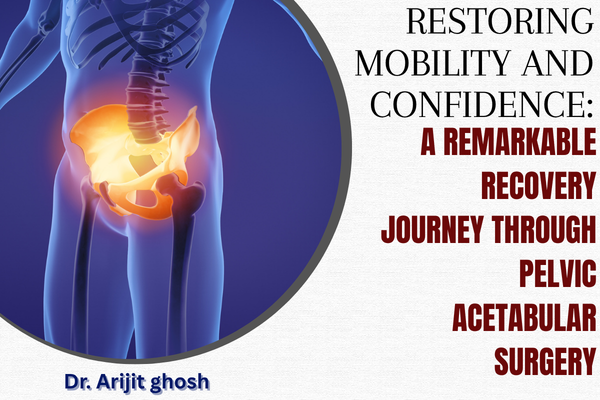
Introduction: When One Accident Changed Everything
At 42, Mr. Sandeep Roy was living an active and energetic life until a sudden road traffic accident changed everything within seconds.
The severe impact left him with unbearable hip pain, difficulty moving, and an inability to stand or walk properly. After emergency medical evaluation and advanced imaging, he was diagnosed with a complex pelvic and acetabular fracture — a serious injury affecting the hip socket and pelvic bones.
The diagnosis brought physical pain, emotional fear, and uncertainty about whether he would ever regain normal mobility again.
Understanding Pelvic Acetabular Injuries
Pelvic Fracture and acetabular fractures are serious orthopaedic injuries usually caused by high-impact trauma such as road accidents or falls.
The acetabulum is the socket portion of the hip joint, and injuries in this area can significantly affect movement, balance, and long-term joint function.
Common symptoms may include:
- Severe hip or pelvic pain
- Inability to walk or bear weight
- Swelling and bruising around the hip
- Restricted movement of the lower body
- Leg weakness or instability
Without timely treatment, these injuries can lead to long-term disability, chronic pain, and arthritis.
Emotional and Physical Challenges After the Injury
For Sandeep, the injury affected more than just his physical health.
He struggled with:
- Fear of permanent mobility problems
- Intense pain and discomfort
- Emotional stress and frustration
- Anxiety about surgery and recovery
- Concerns about returning to work and family responsibilities
Like many trauma patients, he needed both advanced surgical care and emotional reassurance during recovery.
Expert Consultation with Dr Arijit Ghosh
Searching for specialized orthopaedic treatment, Sandeep consulted Dr Arijit Ghosh, a highly experienced Senior Consultant Orthopaedic specialist known for managing complex trauma and pelvic surgeries.
After reviewing CT scans, X-rays, and detailed orthopedic evaluations, Dr. Ghosh explained the complexity of the fracture and recommended Pelvic Acetabular Surgery to restore joint stability and mobility.
His calm explanation and patient-focused approach immediately reassured Sandeep and his family that recovery was possible with the right treatment and rehabilitation.
What is Pelvic Acetabular Surgery?
Pelvic Acetabular Surgery is a specialized orthopaedic procedure used to repair fractures involving the pelvis and acetabulum (hip socket).
The surgery helps:
- Stabilize broken pelvic bones
- Restore hip joint alignment
- Reduce pain and deformity
- Improve movement and mobility
- Prevent future complications such as arthritis
Modern orthopaedic surgical techniques now allow greater precision, improved healing, and faster rehabilitation outcomes.
The Treatment Journey: Advanced Orthopaedic Trauma Care
Dr. Ghosh designed a personalized surgical and rehabilitation plan tailored to Sandeep’s injury severity and overall health condition.
The treatment approach included:
- Detailed trauma assessment and imaging
- Precision pelvic acetabular reconstruction surgery
- Fracture stabilization using advanced orthopaedic techniques
- Pain management and physiotherapy support
- Post-operative rehabilitation and mobility training
The goal was not only fracture healing but also restoring long-term joint function and independence.
Recovery Journey: From Bed Rest to Walking Again
The recovery process required patience, discipline, and continuous medical support.
Key milestones during Sandeep’s recovery included:
- Gradual reduction in pain and swelling
- Improved hip stability and movement
- Assisted walking during rehabilitation
- Increased confidence and physical independence
- Return to daily activities with improved mobility
With consistent physiotherapy and follow-up care, he steadily regained strength and confidence.
Final Outcome: A New Beginning with Strength and Gratitude
Today, Sandeep Roy is walking independently and leading a much healthier and more active life after successful pelvic acetabular surgery.
His journey reflects how timely trauma care, advanced orthopaedic surgery, and dedicated rehabilitation can help patients recover even after severe pelvic injuries. He now encourages others not to delay specialist consultation after serious trauma or hip injuries.
Frequently Asked Questions (FAQ): Pelvic Acetabular Surgery
What is an acetabular fracture?
Acetabular Fracture is a break in the socket portion of the hip joint, usually caused by severe trauma or accidents.
When is pelvic acetabular surgery needed?
Surgery is often required when fractures are displaced, unstable, or affecting hip joint function and mobility.
How long does recovery take after pelvic surgery?
Recovery varies depending on injury severity, but rehabilitation and physiotherapy are important for restoring mobility and strength.
Can patients walk normally after surgery?
Many patients regain good mobility and independence with successful surgery and proper rehabilitation.
Why is early treatment important?
Early treatment helps prevent complications such as chronic pain, arthritis, deformity, and long-term mobility problems.
Conclusion: Advanced Orthopaedic Care Can Restore Mobility and Confidence
Severe pelvic and hip injuries can feel physically and emotionally overwhelming, but modern orthopaedic trauma surgery now offers highly advanced solutions for recovery and rehabilitation.
Under the expert supervision of Dr Arijit Ghosh, patients receive personalized and compassionate care focused on restoring movement, reducing pain, and improving long-term quality of life.
Sandeep’s story is a powerful reminder that expert pelvic acetabular surgery, combined with determination and rehabilitation, can help patients rebuild strength, mobility, and confidence after major trauma.