
When Joint Pain Started Limiting Everyday Life
At 34, Sourav was an active professional who enjoyed weekend cricket matches and outdoor activities. Life was moving smoothly until a knee injury during a friendly match changed everything.
Initially, he ignored the discomfort, believing it was a minor strain. However, weeks later, the pain persisted. Climbing stairs became difficult, prolonged walking caused discomfort, and sudden twisting movements triggered sharp pain in his knee.
As his mobility decreased, frustration began to grow. The injury was affecting not only his physical health but also his confidence and quality of life.
Determined to find a permanent solution, Sourav consulted Dr. Arijit Ghosh, a highly respected Senior Consultant Orthopaedic Surgeon known for his expertise in advanced joint preservation and arthroscopic procedures.
Understanding Arthroscopy
Following a detailed orthopedic examination and imaging studies, Dr. Ghosh diagnosed a ligament and cartilage injury inside the knee joint.
To accurately diagnose and treat the condition, he recommended Arthroscopy.
What is Arthroscopy?
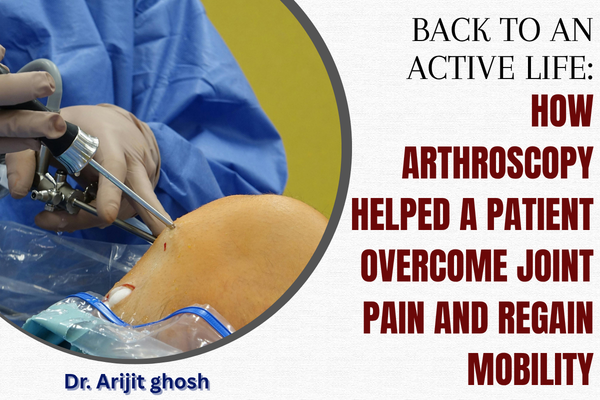
Arthroscopy is a minimally invasive orthopedic procedure used to diagnose and treat problems inside a joint using a tiny camera called an arthroscope.
Through small incisions, surgeons can visualize the joint and perform repairs with precision while minimizing tissue damage.
Common Conditions Treated with Arthroscopy
- ACL tears
- Meniscus injuries
- Cartilage damage
- Shoulder injuries
- Rotator cuff tears
- Joint inflammation
- Sports injuries
- Ligament injuries
Because arthroscopy is minimally invasive, patients often experience less pain and faster recovery compared to traditional open surgery.
The Emotional Impact of Chronic Joint Problems
For Sourav, the injury became more than just a physical issue.
He struggled with:
- Difficulty participating in sports
- Reduced mobility
- Constant fear of worsening the injury
- Frustration due to activity limitations
- Anxiety about needing major surgery
Like many patients facing orthopedic injuries, he needed both expert treatment and reassurance about his future mobility.
Expert Orthopaedic Care with Dr. Arijit Ghosh
During the consultation, Dr. Arijit Ghosh carefully explained the nature of the injury, available treatment options, and expected recovery outcomes.
His patient-focused approach helped Sourav understand that advanced arthroscopic surgery could effectively address the problem while preserving joint function.
Rather than simply treating symptoms, Dr. Ghosh focused on restoring long-term joint health and helping the patient return to an active lifestyle.
Advanced Arthroscopic Treatment Approach
A personalized treatment plan was created based on the severity of the injury and Sourav’s activity level.
The Arthroscopy Treatment Included:
- Comprehensive orthopedic evaluation
- MRI-based injury assessment
- Minimally invasive arthroscopic procedure
- Ligament and cartilage repair
- Pain management strategies
- Physiotherapy and rehabilitation
- Long-term joint protection guidance
The procedure was performed successfully using advanced arthroscopic techniques.
Why Early Treatment of Joint Injuries Matters
Ignoring persistent joint pain can lead to long-term complications.
Benefits of Early Arthroscopic Intervention:
- Faster recovery
- Improved joint stability
- Better mobility
- Reduced risk of arthritis
- Preservation of natural joint function
- Earlier return to sports and daily activities
Timely orthopedic consultation can prevent minor injuries from becoming major problems.
Recovery Journey: Returning to the Activities He Loved
Following surgery and guided rehabilitation, Sourav gradually regained strength and confidence.
Each week brought noticeable improvements.
Pain levels decreased significantly. Joint movement improved. Walking became easier. Eventually, he returned to regular exercise and recreational sports.
The recovery process required commitment and physiotherapy, but the results were life-changing.
Most importantly, he regained confidence in his body’s ability to move freely again.
A New Beginning with Stronger Joints
Today, Sourav enjoys an active lifestyle once again.
Whether it’s playing sports, traveling, or spending time with family, he no longer worries about constant knee pain limiting his life.
His journey demonstrates how advanced arthroscopic surgery and expert orthopedic care can help patients overcome injuries and regain independence.
Frequently Asked Questions (FAQs)
What is arthroscopy?
Arthroscopy is a minimally invasive surgical procedure used to diagnose and treat joint conditions using a small camera and specialized instruments.
Which joints can be treated with arthroscopy?
Arthroscopy is commonly performed on the knee, shoulder, ankle, elbow, hip, and wrist joints.
Is arthroscopy painful?
Most patients experience significantly less pain compared to traditional open surgery because only small incisions are required.
How long does recovery take after arthroscopy?
Recovery depends on the condition treated and the extent of repair performed. Many patients return to normal activities within weeks to months.
Is arthroscopy suitable for sports injuries?
Yes. Arthroscopy is frequently used to treat ligament injuries, cartilage damage, meniscus tears, and other sports-related joint conditions.
When should I see an orthopedic surgeon?
If you experience persistent joint pain, swelling, instability, restricted movement, or sports injuries that do not improve with rest, you should seek orthopedic evaluation.
Conclusion: Restoring Movement, Confidence, and Quality of Life
Joint pain and sports injuries can affect every aspect of life, from physical activity to emotional well-being. Fortunately, modern orthopedic advancements like arthroscopy offer effective, minimally invasive solutions that help patients recover faster and return to the activities they love.
Under the expert supervision of Dr. Arijit Ghosh, patients receive personalized orthopedic care focused on accurate diagnosis, advanced treatment, and long-term joint preservation.
Sourav’s story is a powerful reminder that with timely intervention, expert orthopedic guidance, and a commitment to recovery, patients can overcome joint injuries and embrace a healthier, more active future.